
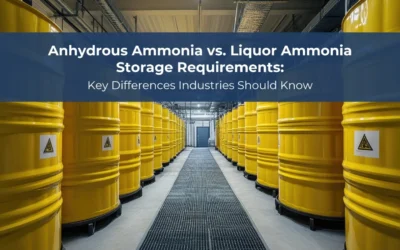
Key Highlights Fundamental difference: Anhydrous ammonia requires pressure vessel storage (7–10 bar at ambient temperature); liquor ammonia can be stored in atmospheric HDPE or SS tanks — the single biggest difference driving all other storage requirement variations....
Related Posts
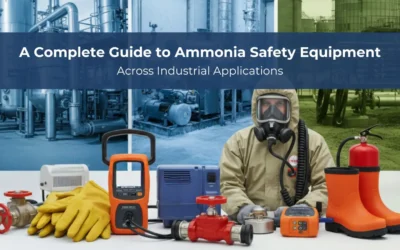
Complete Guide to Ammonia Safety Equipment for Industrial Applications (2026)
Key Highlights Mandatory PPE: Full-face respirator with ammonia cartridges (or SCBA at/above 300 ppm IDLH), butyl rubber gloves, chemical-resistant apron/suit, and splash goggles are the minimum for any anhydrous ammonia handling. Gas detection: Fixed electrochemical...
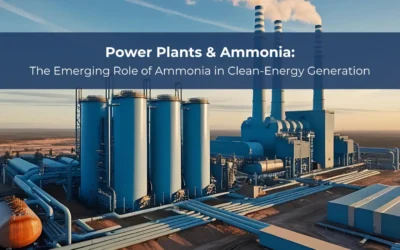
Ammonia Gas in Clean Energy Generation: Power Plants, SCR, and the Hydrogen Economy (2026)
Key Highlights SCR DeNOx today: Ammonia is already critical to Indian power plants for Selective Catalytic Reduction (SCR) — reducing NOx emissions to meet CPCB standards across India's ~200 GW coal fleet. Co-firing potential: Japan has demonstrated 20% ammonia...
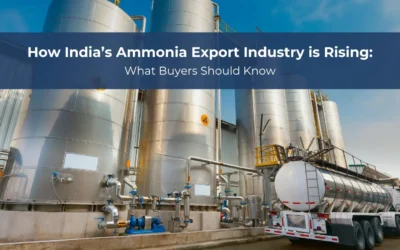
India’s Ammonia Export Industry: Market Trends, Buyer Insights and Future Outlook (2026)
Key Highlights Export trajectory: India currently exports modest quantities of conventional ammonia regionally but is building toward major green ammonia export volumes through the late 2020s and 2030s. Production capacity: India's ~30 ammonia plants produce...
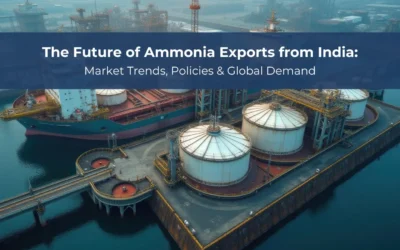
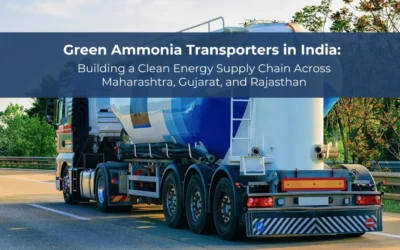
Green Ammonia Transporters in India: Export Growth, Logistics and Market Trends (2026)
Key Highlights Strategic position: India's combination of low-cost renewable energy, existing ammonia logistics infrastructure, and coastal port access positions it as a potential leading green ammonia exporter to Japan, South Korea, and Europe. Domestic transport:...
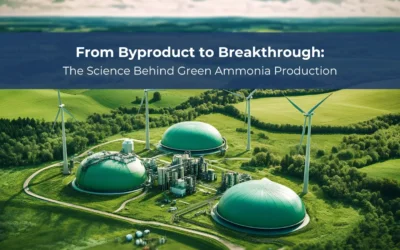
Green Ammonia Production: The Science Behind Renewable Synthesis (2026)
Key Highlights Three steps: Green ammonia is made by combining water electrolysis (producing green H2), air separation (producing N2), and Haber-Bosch synthesis (combining H2 + N2 → NH3) — all powered by renewable electricity. Electricity requirement: Approximately...
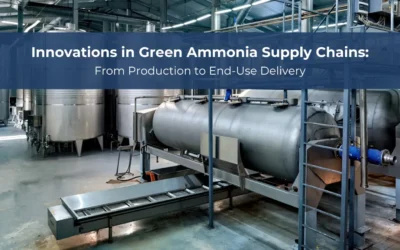
Innovations in Green Ammonia Supply Chains: Production, Storage, Transport and End-Use (2026)
Key Highlights Cost trajectory: Green ammonia production costs are projected to decline from USD 600–900/tonne today to USD 300–500/tonne by 2030 in favourable renewable locations — driven by electrolyser cost reductions and cheaper renewable electricity. Electrolyser...
Green Ammonia Transporters in India: Driving a Clean Energy Revolution
Key Highlights Same physical handling as grey ammonia: Green ammonia is chemically identical to conventional ammonia — the same PESO regulations, UN numbers, tanker specifications, and safety protocols apply to both. Chain-of-custody certification is the difference:...
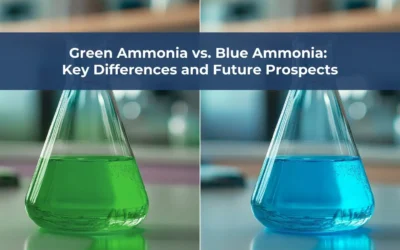
Green Ammonia vs Blue Ammonia: Key Differences, Carbon Footprints and Future Outlook (2026)
Key Highlights Core difference: Green ammonia uses electrolytic hydrogen from renewable electricity (near-zero CO2); blue ammonia uses SMR hydrogen from natural gas with CO2 captured and stored via CCS. Carbon footprints: Grey ~1.9 tonne CO2/tonne NH3; blue ~0.2–0.4;...
Frequently Asked Questions Srujal Sharma
Who Is Srujal Sharma?
Srujal Sharma is a Managing Partner at Jaysons Chemical Industries, a chemical manufacturing and logistics company which focuses on supply of ammonia products in the domestic and international markets since 1966. Having 3+ years of experience as an ammonia expert, and as a project manager for more than 2 years prior to that, Srujal has the acumen to carve out the best solutions for ammonia in any industry.
Who Is The Managing Partner At Jaysons Chemical Industries?
Srujal Sharma is a Managing Partner at Jaysons Chemical Industries