
Insights and Innovations in the Chemical Industry
Stay informed about the latest happenings in the Jaysons Chemical industry. Explore breakthrough research, emerging technologies, and sustainable practices, empowering you to make informed decisions. Join us on this exciting journey of knowledge and innovation. Jaysons Chemical Industries, driving positive change in the chemical industry.
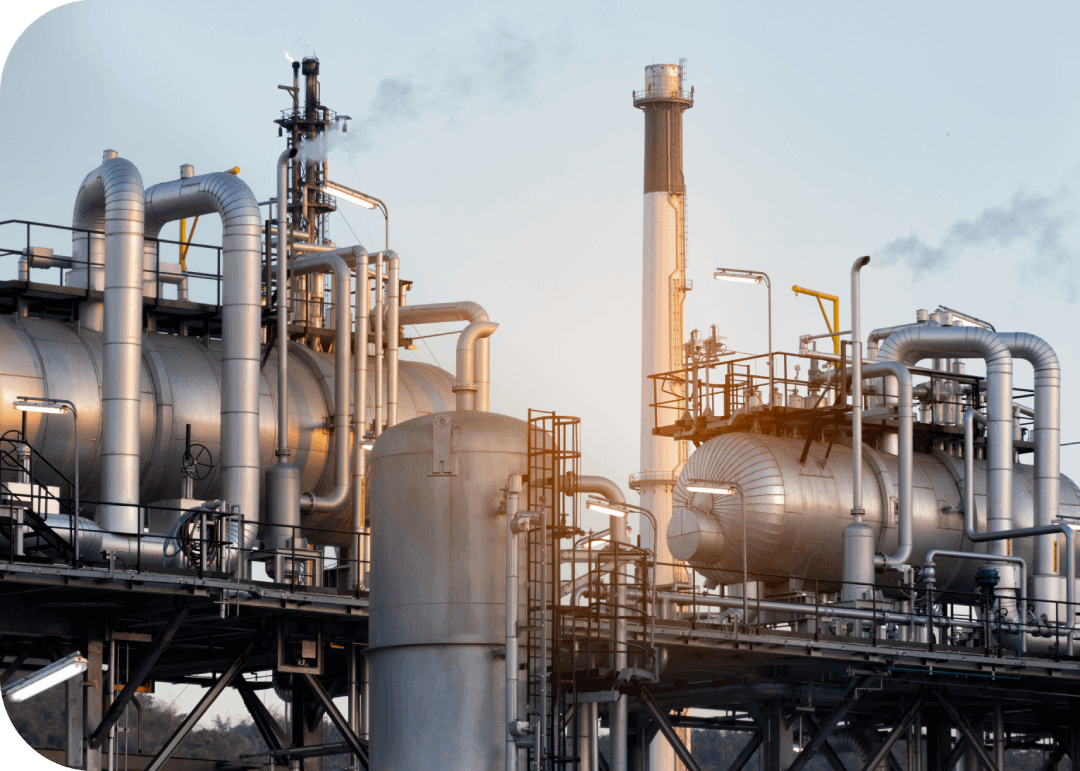
Anhydrous Ammonia vs Liquor Ammonia: Which Should You Buy? | Jaysons Chemical Industries
Key Highlights Anhydrous ammonia is pure NH3 stored as a liquefied gas under pressure, with no water content. Liquor ammonia, also called aqua ammonia or ammonium hydroxide, is NH3 dissolved in water at roughly 20 to 30 percent strength. Anhydrous ammonia typically...
Fixed vs Portable Ammonia Gas Detectors: Sensor Technology, Placement Standards and Maintenance
Key Highlights Two system types: Fixed detectors provide continuous area monitoring; portable detectors protect...
Proper PPE for Ammonia Handling: Respirators, Gloves, Eye Protection and Suit Standards
Key Highlights Concentration-matched PPE: Respiratory protection must be escalated from half-face APR to full-face APR...
How to Obtain a PESO License for Ammonia Storage in India: Application Process, Documents and Timeline
Key Highlights All pressure vessels storing ammonia above 1,000 litres in India require a valid PESO licence before...
Ammonia Liquefaction Plant Design: Compressor Selection, Heat Exchange and Storage Specification
Key Highlights Compressor selection governs capital cost, energy consumption and plant reliability in ammonia...
Ammonia Cylinder and Tonner Maintenance: Hydrostatic Testing, Valve Care and Requalification
Key Highlights Ammonia cylinders must undergo hydrostatic testing every five years under the Gas Cylinders Rules 2016...
Liquor Ammonia Concentration Grades: Commercial, AR and LR — Technical Comparison
Key Highlights Liquor ammonia is available in three primary grades in India: Commercial (20 to 26 percent), LR (25 to...
Anhydrous Ammonia for SCR DeNOx Systems: Specification, Dosing and Storage Requirements
Key Highlights SCR DeNOx systems require anhydrous ammonia at a minimum purity of 99.5 percent by weight conforming to...
Technical Grade vs Refrigerant Grade Anhydrous Ammonia: What Buyers Must Know
Key Highlights Refrigerant grade anhydrous ammonia (R-717) must meet a minimum purity of 99.98%, versus 99.5% for...
Anhydrous Ammonia Price in India: Factors That Drive Market Rates
Key Highlights Natural gas feedstock, which represents 70-80% of variable production cost, is the single largest...