Guide and Tips

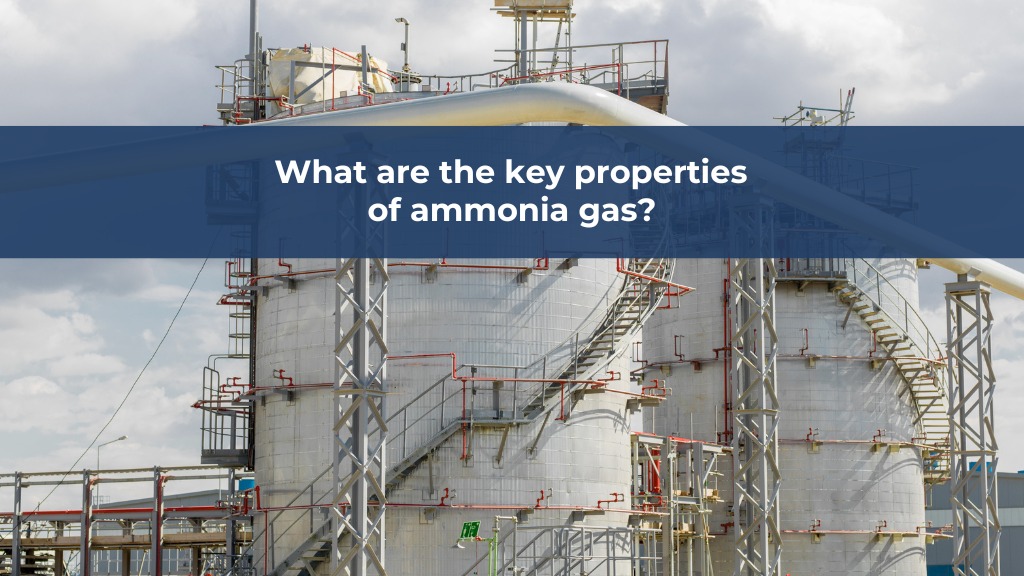
What Are the Key Properties of Ammonia Gas?

What Are the Key Properties of Ammonia Gas?

Introduction Ammonia gas, chemically known as NH₃, is a crucial substance in both industrial and agricultural sectors. It plays a vital role in the production of fertilizers, refrigerants, and cleaning agents. This inorganic compound has been in use since the late...

Discover the Surprising Uses of Liquor Ammonia

Discover the Surprising Uses of Liquor Ammonia

Key Highlights PCB and electronics: Liquor ammonia is the core reagent in alkaline copper etching for printed circuit board manufacturing — one of the highest-precision industrial applications of ammonia solution. Food additive E527: Ammonium hydroxide is an approved...

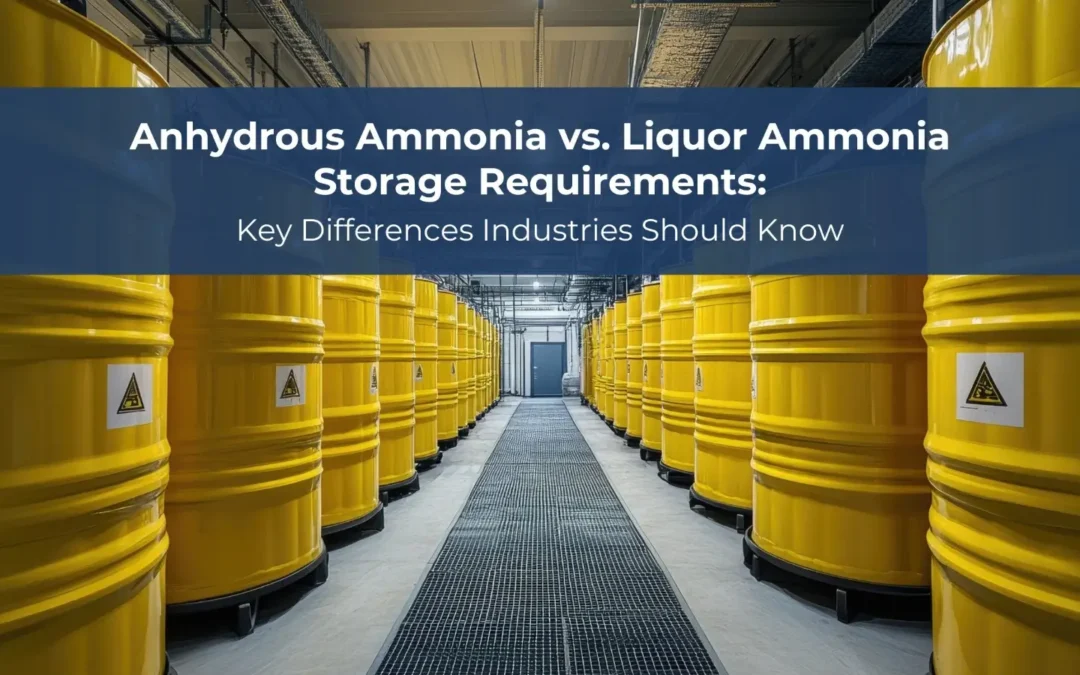
Anhydrous Ammonia: Guide to Use and Store

Anhydrous Ammonia: Guide to Use and Store

Key Highlights 100% purity, pressure required: Anhydrous ammonia is pure NH3 with no water — stored as a liquefied gas under pressure (approximately 8-11 bar at ambient Indian temperatures), fundamentally different from liquor ammonia solution. PESO compliance...

What are the common uses of ammonia?

What are the common uses of ammonia?

Key Highlights Agriculture dominates: Approximately 80% of global ammonia consumption goes to nitrogen fertiliser production — primarily urea — that enables approximately half of all food production for the world's population. Industrial refrigeration critical:...

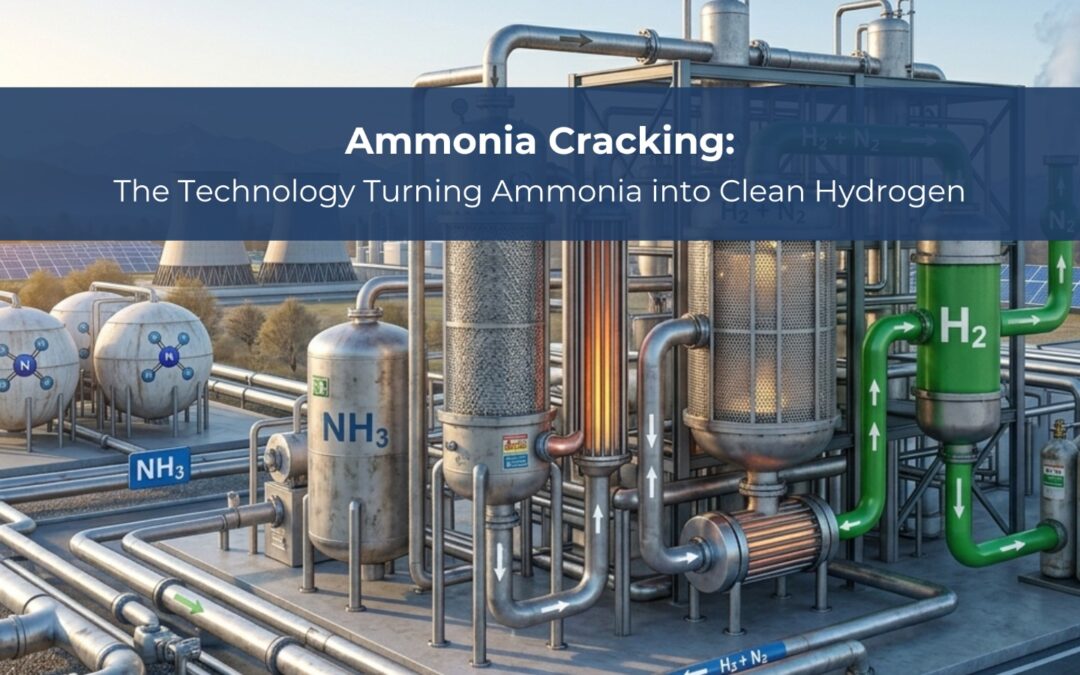
Benefits of Using Ammonia as Clean Fuel

Benefits of Using Ammonia as Clean Fuel

Key Highlights Zero carbon combustion: Ammonia contains no carbon — combustion produces only nitrogen and water, delivering zero CO2 when produced from renewable energy (green ammonia). Practical storage: Liquid ammonia can be stored at just 8–10 bar pressure at...